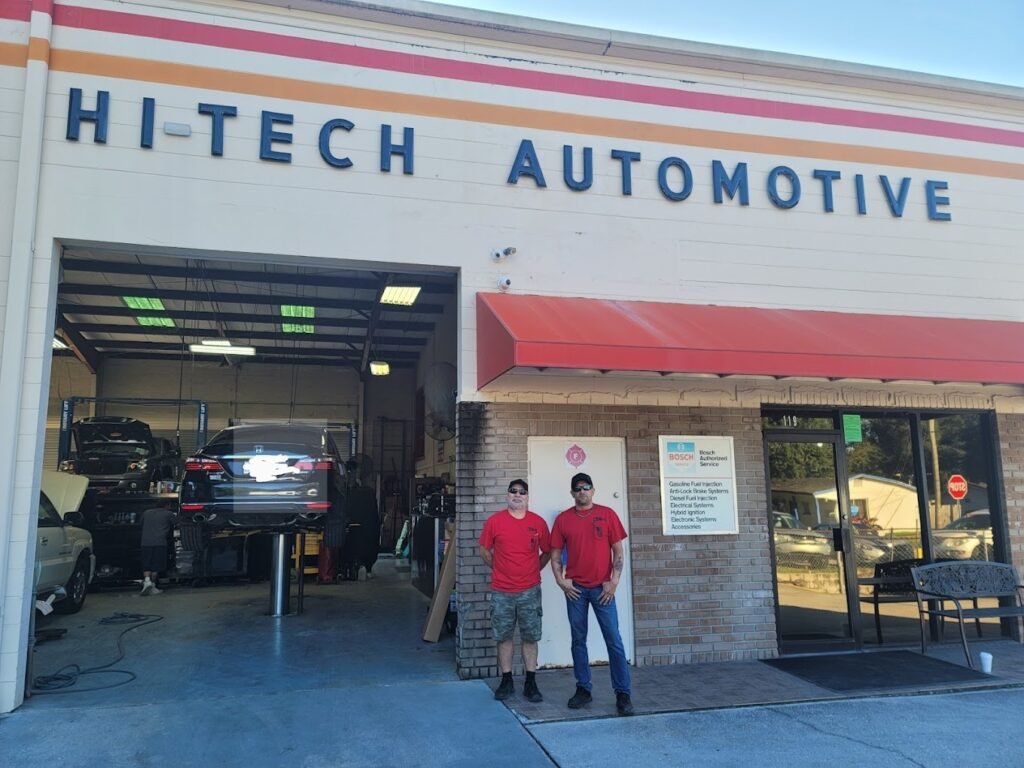
Today’s vehicles are more advanced than ever. From computerized engine systems and adaptive safety features to electric powertrains and smart diagnostics, cars have evolved far beyond simple mechanical machines. As a result, traditional maintenance methods are no longer enough to address the complexity of modern automobiles. This is where hi tech auto repair services have become essential.
Whether you drive a compact sedan, a luxury SUV, a hybrid, or an electric vehicle, modern repair facilities use advanced tools and digital diagnostics to identify problems quickly and accurately. Understanding how these services work can help vehicle owners make informed decisions, save money, and keep their cars running efficiently for years.
What Is Hi Tech Auto Repair?
High-tech automotive repair refers to the use of advanced diagnostic equipment, specialized software, computerized testing systems, and modern repair techniques to maintain and fix vehicles.
Unlike older repair methods that often relied heavily on manual inspection and trial-and-error troubleshooting, today’s technicians can connect directly to a vehicle’s onboard computer system. This allows them to access real-time performance data, identify fault codes, and pinpoint issues with remarkable precision.
Modern repair centers are equipped to handle:
- Engine diagnostics
- Transmission analysis
- Electronic system repairs
- Advanced driver-assistance systems (ADAS)
- Hybrid and electric vehicle maintenance
- Computerized wheel alignment
- Battery management systems
- Emissions testing
As vehicles continue to become more sophisticated, technology-driven maintenance has become the standard rather than the exception.
Why Modern Vehicles Require Advanced Diagnostics
A modern vehicle contains dozens of electronic control units that manage everything from fuel efficiency to braking performance. When a warning light appears on the dashboard, the issue may involve sensors, software, wiring, or multiple interconnected systems.
Without proper diagnostic equipment, identifying the root cause can be difficult and time-consuming.
For example, a check-engine light could indicate:
- A faulty oxygen sensor
- A loose fuel cap
- Ignition system problems
- Emissions issues
- Fuel injector malfunctions
Advanced diagnostic tools allow technicians to locate the exact source of the problem instead of replacing parts unnecessarily.
Key Benefits of Technology-Driven Auto Repair
Faster Problem Identification
Modern scanning systems can evaluate thousands of vehicle data points within minutes. This significantly reduces diagnostic time and allows repairs to begin sooner.
Greater Accuracy
Precise diagnostics minimize guesswork. Instead of replacing multiple components to find a problem, technicians can target the actual failure point.
Reduced Repair Costs
Accurate troubleshooting often lowers overall repair expenses because only the necessary parts and services are performed.
Improved Vehicle Performance
Well-maintained systems operate more efficiently, leading to better fuel economy, smoother driving, and increased reliability.
Enhanced Safety
Modern repair facilities can inspect and calibrate safety technologies such as lane departure warnings, collision avoidance systems, and adaptive cruise control.
Traditional Repair vs. Hi-Tech Auto Repair
The difference between conventional and technology-driven service becomes clear when comparing how problems are diagnosed and resolved.
| Feature | Traditional Repair | Hi-Tech Auto Repair |
|---|---|---|
| Diagnostics | Manual inspection | Computerized analysis |
| Accuracy | Moderate | High |
| Repair Speed | Slower | Faster |
| Data Access | Limited | Real-time vehicle data |
| Electronic Systems | Basic support | Advanced expertise |
| Preventive Maintenance | Limited | Predictive insights |
| Cost Efficiency | May involve trial-and-error | More targeted repairs |
This shift toward data-driven maintenance has transformed the customer experience while improving repair outcomes.
Common Services Offered by Modern Repair Facilities
Computerized Engine Diagnostics
Engine performance issues can stem from numerous sources. Advanced diagnostic scanners help identify sensor failures, ignition problems, fuel delivery issues, and emissions-related concerns.
Brake System Analysis
Modern braking systems include electronic controls such as ABS and traction management. Specialized equipment helps ensure these systems function correctly.
Electrical System Repairs
Today’s vehicles depend heavily on electronics. Repair shops use digital testing equipment to evaluate wiring, batteries, alternators, and control modules.
Wheel Alignment Technology
Computer-guided alignment systems measure wheel angles with extreme precision, helping improve handling and tire lifespan.
Hybrid and Electric Vehicle Maintenance
As electric vehicles become more popular, technicians require specialized training and equipment to service high-voltage systems safely.
How Advanced Diagnostics Solve Complex Vehicle Problems
Imagine a driver notices that their vehicle occasionally loses power while accelerating on the highway. The issue occurs only intermittently, making it difficult to identify through visual inspection alone.
At a modern repair facility, technicians connect advanced diagnostic equipment to the vehicle and monitor real-time engine performance data. Within minutes, they discover that a malfunctioning sensor is sending inaccurate information to the engine control module. The faulty component is replaced, restoring performance without unnecessary repairs.
This type of precision diagnosis highlights the advantages of technology-based automotive service.
Choosing the Right Repair Shop
Not every repair center offers the same level of expertise or equipment. When selecting a service provider, consider several important factors.
Technician Training
Look for facilities that invest in ongoing education. Automotive technology evolves rapidly, and continuous training helps technicians stay current.
Modern Equipment
Advanced diagnostic tools and calibration systems are essential for servicing newer vehicles.
Transparent Communication
Quality repair shops explain findings clearly, provide detailed estimates, and answer customer questions honestly.
Positive Reputation
Customer reviews and referrals often provide valuable insight into service quality and reliability.
Warranty Support
A reputable facility typically stands behind its work with service warranties or guarantees.
The Growing Role of Preventive Maintenance
One of the most significant advantages of modern automotive technology is the ability to identify potential issues before they become major problems.
Predictive diagnostics can monitor:
- Battery health
- Engine performance trends
- Transmission operation
- Brake wear
- Fluid conditions
- Sensor functionality
Addressing small concerns early can help drivers avoid costly breakdowns and extend vehicle lifespan.
I remember visiting a repair shop that used advanced diagnostic software to detect a battery issue weeks before it caused a failure, saving both time and unexpected roadside trouble.
Future Trends in Automotive Repair
The automotive industry continues to evolve at an impressive pace. Several emerging trends are shaping the future of vehicle maintenance.
Artificial Intelligence Diagnostics
AI-assisted systems can analyze repair data and identify patterns that help technicians diagnose problems more efficiently.
Remote Vehicle Monitoring
Connected vehicles can transmit performance information directly to service centers, allowing proactive maintenance recommendations.
Electric Vehicle Expansion
As EV adoption increases, repair facilities are investing heavily in specialized equipment and technician certification.
Software Updates
Many modern vehicles receive software-based improvements that enhance performance, efficiency, and safety without replacing physical components.
These innovations are making vehicle maintenance smarter, faster, and more customer-focused.
Why Modern Repair Matters More Than Ever
Vehicle owners today expect reliability, safety, and efficiency. Advanced repair technology supports all three goals by delivering accurate diagnostics, reducing downtime, and preventing unnecessary repairs.
As vehicles become increasingly dependent on software, sensors, and electronic systems, technology-driven service is no longer a luxury—it is a necessity. Choosing a repair facility equipped with modern tools and skilled technicians helps ensure your vehicle receives the level of care it was designed for.
Also Read:Tech Guru WaveTechGlobal: Digital Innovation Insights
Conclusion
The rise of hi tech auto repair reflects the changing nature of modern vehicles. Advanced diagnostics, computerized testing, and specialized expertise allow technicians to solve problems faster and more accurately than ever before. Whether you’re maintaining a family vehicle, managing a fleet, or driving the latest hybrid or electric model, modern automotive service offers greater efficiency, improved safety, and long-term value.
Investing in quality maintenance today can help prevent major issues tomorrow, ensuring your vehicle remains dependable for many miles ahead.
Frequently Asked Questions
What does hi tech auto repair mean?
It refers to automotive maintenance and repair services that use advanced diagnostic equipment, computerized testing systems, and modern technologies to identify and fix vehicle issues accurately.
Are technology-based repairs more expensive?
Not necessarily. While advanced equipment represents an investment for repair shops, accurate diagnostics often reduce unnecessary labor and parts replacement, potentially lowering overall costs.
Can modern repair facilities service older vehicles?
Yes. Most advanced repair centers can work on both older and newer vehicles while using diagnostic tools where applicable.
Why is computerized diagnostics important?
Computerized diagnostics provide detailed information about vehicle performance, helping technicians identify the exact source of a problem quickly and accurately.
Do electric vehicles require specialized repair services?
Yes. Electric vehicles contain high-voltage systems and unique components that require specialized tools, safety procedures, and technician training.
How often should I schedule preventive maintenance?
Follow the maintenance schedule recommended by your vehicle manufacturer. Regular inspections help detect potential problems before they become serious repairs.