Whether you’re building a new gaming PC or upgrading an existing system, choosing the best gaming CPU is one of the most important decisions you’ll make. A processor affects frame rates, game loading times, multitasking performance, and even how well your system handles streaming or content creation.
Today’s CPUs are more powerful than ever, making it easier to enjoy smooth gameplay at high resolutions. However, not every processor offers the same value, and buying the most expensive model isn’t always the smartest choice. The ideal choice depends on your gaming habits, graphics card, budget, and future upgrade plans.
In this guide, you’ll discover the top gaming processors, understand what features matter most, and learn how to choose the right CPU for your needs.
Why the Processor Matters for Gaming
While modern graphics cards handle most visual rendering, the processor remains responsible for tasks like game logic, physics calculations, artificial intelligence, and communication with your GPU.
A stronger CPU can deliver:
- Higher frame rates in CPU-intensive games
- Better performance in competitive esports titles
- Faster game loading and level transitions
- Improved multitasking while gaming
- Smoother gameplay during streaming or recording
Games such as strategy titles, simulation games, and large open-world adventures especially benefit from powerful processors.
What Makes a Great Gaming Processor?
Several factors determine gaming performance.
Clock Speed
Higher boost clocks allow the processor to complete gaming tasks more quickly. Fast clock speeds remain important for many modern titles.
Core and Thread Count
Most current games perform well with 6 to 8 cores. If you also edit videos, stream gameplay, or run demanding applications, CPUs with additional cores offer greater flexibility.
Cache Size
A larger cache helps reduce memory delays, allowing faster access to frequently used game data. This often improves gaming responsiveness.
Power Efficiency
Efficient processors generate less heat and consume less electricity, making cooling easier while reducing overall system noise.
Platform Longevity
Choosing a processor on a modern platform provides better upgrade opportunities over the next several years.
Top Gaming CPUs Worth Considering
The market offers excellent choices across every budget.
| Processor | Best For | Core Count | Key Strength |
|---|---|---|---|
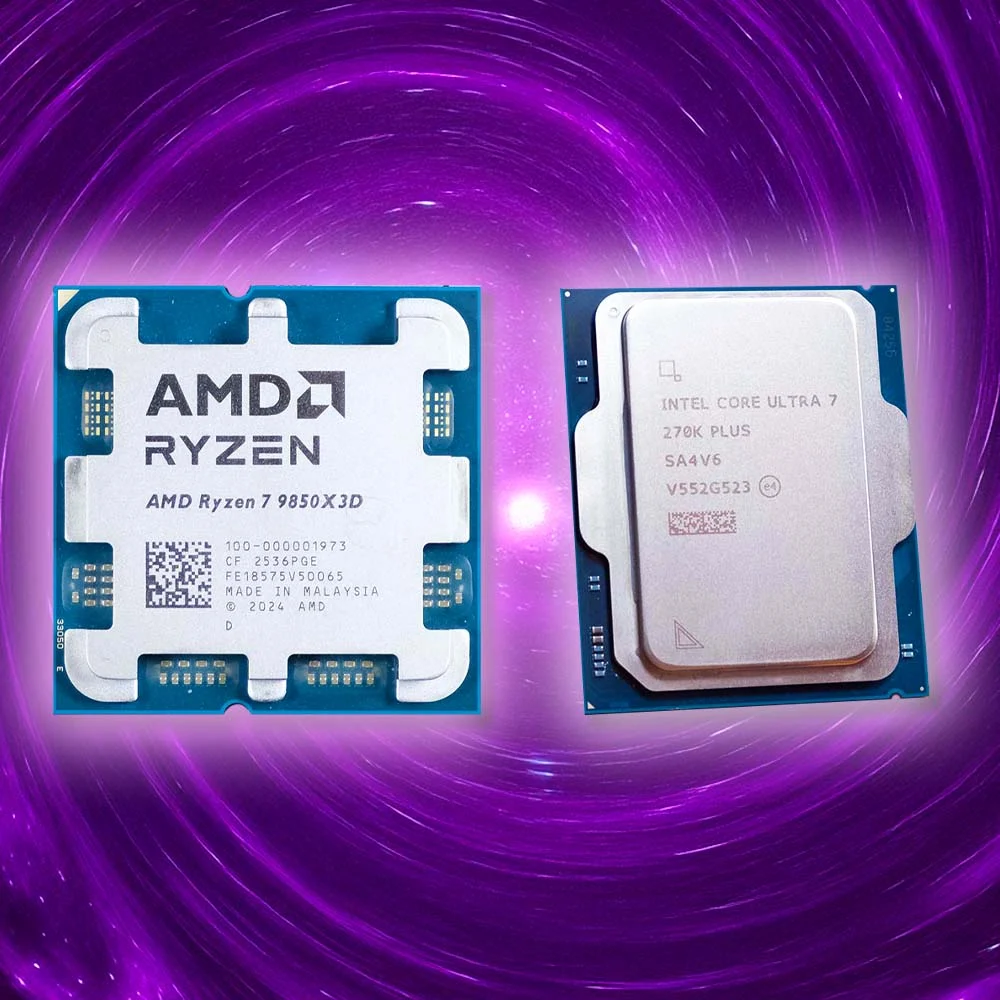
| AMD Ryzen 7 9800X3D | High-end gaming | 8 Cores | Outstanding gaming performance |
| AMD Ryzen 7 9700X | Premium value | 8 Cores | Excellent balance of speed and efficiency |
| Intel Core Ultra 7 265K | Gaming and productivity | Hybrid architecture | Strong all-around performance |
| AMD Ryzen 5 9600X | Mid-range builds | 6 Cores | Great price-to-performance ratio |
| Intel Core Ultra 5 245K | Budget gaming | Hybrid architecture | Affordable with solid gaming capability |
Each processor serves a different type of gamer, making budget and workload equally important considerations.
Choosing the Right CPU Based on Your Budget
Entry-Level Gaming
Gamers focused on 1080p gaming don’t necessarily need flagship hardware.
A modern six-core processor paired with a capable graphics card delivers excellent performance in popular games while keeping overall costs manageable.
Mid-Range Performance
For most gamers, this category offers the best overall value.
Eight-core processors provide enough power for demanding games while handling background applications, voice chat, and occasional streaming with ease.
If you play at very high refresh rates or combine gaming with professional workloads, premium processors offer the highest performance ceiling.
Enthusiast Gaming
These CPUs particularly shine when paired with top-tier graphics cards.
Gaming Performance Comparison
Although graphics cards often receive most of the attention, processor choice still impacts gaming results.
| Gaming Situation | Budget CPU | Mid-Range CPU | High-End CPU |
|---|---|---|---|
| 1080p Esports | Excellent | Outstanding | Outstanding |
| 1440p AAA Games | Very Good | Excellent | Excellent |
| 4K Gaming | Good | Very Good | Excellent |
| Streaming While Gaming | Fair | Excellent | Outstanding |
| Video Editing | Good | Very Good | Outstanding |
As game resolution increases, GPU performance becomes more significant, but the processor continues to influence minimum frame rates and system responsiveness.
AMD vs Intel for Gaming
The competition between AMD and Intel has never been closer.
AMD currently offers exceptional gaming-focused processors with impressive cache technology and outstanding efficiency. Many gamers appreciate the excellent frame rates and upgrade-friendly platforms.
Intel continues delivering strong gaming performance alongside outstanding productivity capabilities. Their processors are excellent for users who regularly switch between gaming and demanding creative applications.
Neither brand is universally better. Instead, the right choice depends on your overall build and intended use.
Cooling Matters More Than You Think
A powerful processor performs best when properly cooled.
High-performance CPUs generate significant heat during extended gaming sessions. Investing in a quality air cooler or liquid cooling solution helps maintain stable boost speeds and extends hardware lifespan.
Proper airflow inside your PC case also contributes to consistent gaming performance.
Don’t Overspend on the Processor
One common mistake among first-time PC builders is allocating too much of the budget to the CPU while neglecting the graphics card.
For gaming-focused systems, a balanced budget usually delivers better real-world results.
For example:
- Pair a mid-range processor with a stronger graphics card rather than buying a flagship CPU alongside a weaker GPU.
- Allocate enough budget for fast memory and reliable storage.
- Choose a quality power supply to support future upgrades.
This balanced approach often provides noticeably higher gaming performance than simply purchasing the most expensive processor available.
How CPU Choice Impacts Real Gaming Performance
Imagine two friends assembling gaming computers with the same overall budget.
The first spends heavily on an ultra-premium processor but compromises on the graphics card. The second selects a strong mid-range CPU and invests more in a higher-performing GPU.
When both test demanding modern games, the second system consistently delivers higher frame rates, smoother gameplay, and a better overall experience. This demonstrates why balancing your hardware is often more important than focusing on a single component.
My Experience Choosing a Gaming CPU
When I compared several gaming processors while researching PC builds, I found that selecting a well-balanced CPU instead of simply chasing the highest specifications resulted in noticeably better value and a smoother overall gaming experience.
Tips Before Buying
Before making your final purchase, keep these recommendations in mind:
- Verify motherboard compatibility.
- Ensure your cooling solution matches the processor’s requirements.
- Consider future upgrade paths.
- Pair the CPU with sufficient RAM.
- Match your processor to your graphics card for optimal balance.
- Focus on overall system performance rather than specifications alone.
Making thoughtful decisions today can save both money and upgrade headaches later.
Also Read:GPU Tier List 2026: Best Graphics Cards Ranked
Conclusion
Finding the best gaming CPU isn’t about purchasing the most expensive processor—it’s about choosing the one that complements your gaming style, graphics card, and budget.
Modern six-core and eight-core processors already provide exceptional gaming performance for most players, while enthusiasts can benefit from premium models designed for maximum frame rates and multitasking.
By balancing your processor, graphics card, cooling solution, and memory, you’ll create a gaming PC that delivers excellent performance today while remaining capable of handling tomorrow’s games.
Frequently Asked Questions
What is the best gaming CPU right now?
High-end gaming processors like the AMD Ryzen 7 9800X3D and Intel Core Ultra 7 265K are among the strongest options available, offering exceptional gaming performance across modern titles.
Is AMD or Intel better for gaming?
Both manufacturers produce excellent gaming processors. AMD often excels in pure gaming performance, while Intel provides strong gaming capability alongside excellent productivity performance.
How many CPU cores do gamers need?
For most modern games, six to eight cores are ideal. Gamers who stream, edit videos, or multitask may benefit from processors with additional cores.
Does a faster CPU increase FPS?
Yes. In CPU-intensive games and competitive esports titles, a faster processor can significantly improve frame rates, reduce stuttering, and enhance overall responsiveness.
Can a powerful CPU replace a good graphics card?
No. While the processor plays an important role, gaming performance depends heavily on the graphics card. A balanced combination of both components provides the best gaming experience.
Should I upgrade my CPU or GPU first?
If your graphics card is outdated, upgrading it usually provides the biggest improvement in gaming performance. However, if your processor is creating a bottleneck, replacing the CPU can also produce noticeable gains.