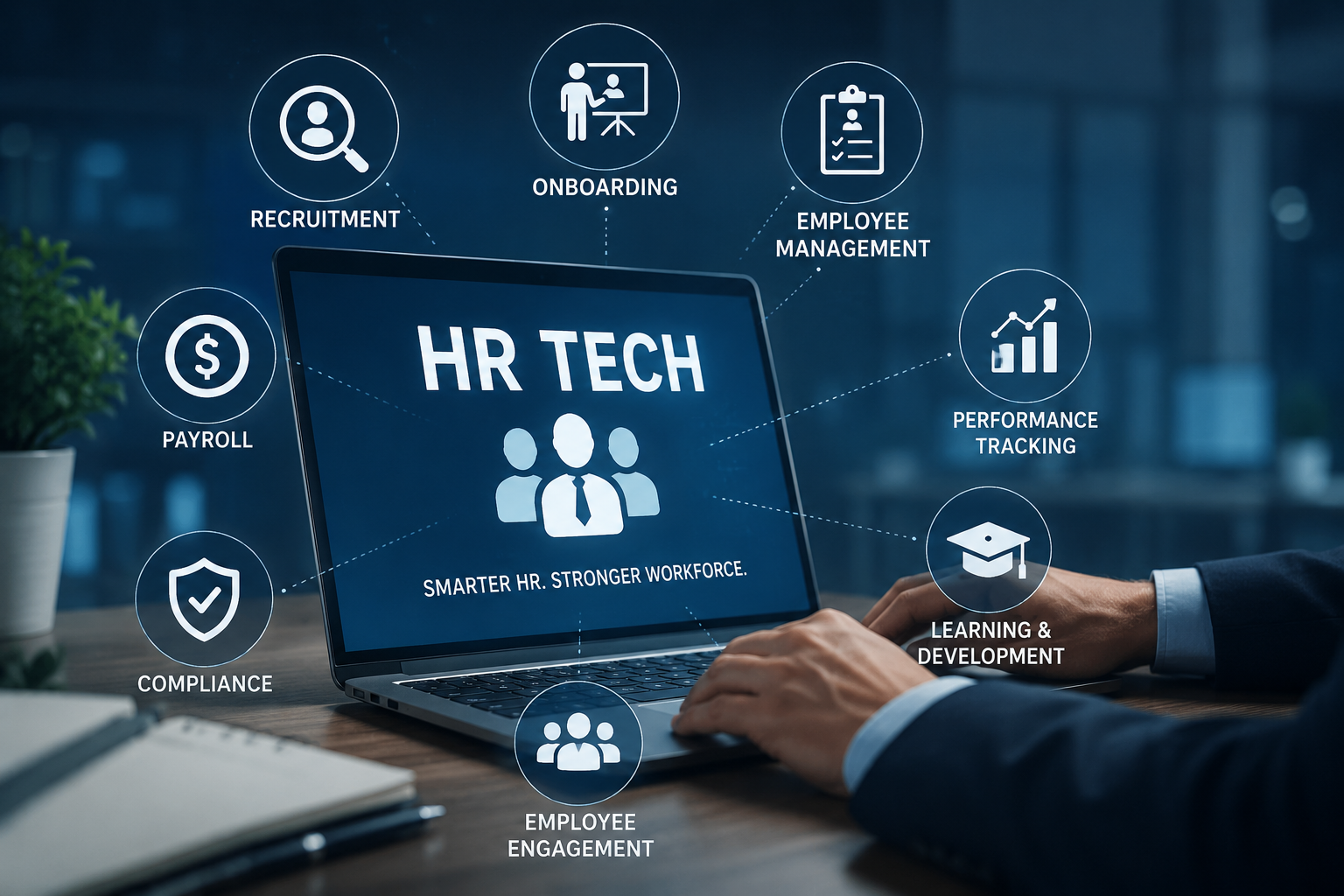
The world of work has changed dramatically over the last decade. From remote hiring and digital onboarding to AI-powered talent management, organizations are increasingly relying on technology to improve how they manage people. This shift has given rise to HR tech, a rapidly growing sector that combines human resources practices with innovative digital solutions.
Businesses today face numerous workforce challenges, including talent shortages, employee engagement concerns, compliance requirements, and the need for data-driven decision-making. Technology helps address these issues by streamlining processes and creating better experiences for both employers and employees.
Whether you’re a small business owner, an HR professional, or simply curious about workplace innovation, understanding modern HR solutions can provide valuable insights into the future of work.
What Is HR Tech?
HR tech refers to software, platforms, and digital tools designed to support and automate human resource functions. These solutions help organizations manage employee-related tasks more efficiently, reducing administrative burdens while improving accuracy and productivity.
Common functions supported by workforce technology include:
- Recruitment and hiring
- Employee onboarding
- Payroll management
- Benefits administration
- Performance tracking
- Learning and development
- Workforce analytics
- Employee engagement
Instead of relying on spreadsheets and manual paperwork, companies can use integrated systems that centralize employee information and automate repetitive tasks.
Why Businesses Are Investing in Workforce Technology
Organizations of all sizes are embracing digital HR solutions because they offer measurable benefits.
One of the most significant advantages is efficiency. Tasks that once required hours of manual effort can now be completed in minutes. Automated workflows reduce errors, improve compliance, and allow HR teams to focus on strategic initiatives rather than administrative work.
Another major benefit is improved decision-making. Modern platforms provide real-time insights into hiring trends, employee performance, turnover rates, and workforce planning. This data helps leaders make informed decisions based on evidence rather than assumptions.
I once worked with a company that transitioned from manual employee records to a cloud-based people management system, and the difference in productivity was noticeable within just a few weeks.
Key Components of Modern HR Technology
Recruitment and Talent Acquisition
Hiring has become increasingly competitive. Recruitment software helps organizations attract, evaluate, and hire candidates more effectively.
Features often include:
- Applicant tracking systems (ATS)
- Resume screening
- Interview scheduling
- Candidate communication tools
- Talent pipeline management
These capabilities reduce hiring delays and improve the overall candidate experience.
Employee Onboarding
First impressions matter. Digital onboarding solutions simplify the process of welcoming new employees.
New hires can:
- Complete paperwork online
- Access training materials
- Review company policies
- Connect with team members
This creates a smoother transition and helps employees become productive faster.
Payroll and Benefits Administration
Managing compensation and benefits manually can be time-consuming and prone to errors.
Payroll systems automate:
- Salary calculations
- Tax deductions
- Direct deposits
- Benefits enrollment
- Compliance reporting
Automation ensures accuracy while reducing administrative workload.
Performance Management
Traditional annual reviews are gradually being replaced by continuous feedback systems.
Modern performance tools support:
- Goal tracking
- Employee evaluations
- Real-time feedback
- Development planning
- Recognition programs
These features encourage ongoing growth and engagement.
Workforce Analytics
Data has become one of the most valuable resources in human resources management.
Analytics platforms provide insights into:
- Employee retention
- Hiring effectiveness
- Productivity trends
- Diversity metrics
- Workforce planning
Organizations can identify opportunities for improvement and proactively address potential challenges.
Comparison of Traditional HR vs. Modern HR Technology
| Feature | Traditional HR Processes | Modern HR Technology |
|---|---|---|
| Recruitment | Manual resume review | Automated candidate screening |
| Employee Records | Paper-based files | Cloud-based databases |
| Payroll | Spreadsheet calculations | Automated processing |
| Performance Reviews | Annual evaluations | Continuous feedback systems |
| Reporting | Manual data compilation | Real-time analytics |
| Employee Experience | Limited self-service | Digital self-service portals |
This comparison highlights why many businesses are replacing outdated methods with integrated digital solutions.
How HR Technology Solves Modern Workplace Challenges
Imagine a growing company with 300 employees spread across multiple locations. The HR department spends countless hours processing leave requests, updating employee records, coordinating interviews, and generating reports.
Without modern systems, even routine tasks become overwhelming.
After implementing an integrated workforce platform, employees can submit requests through a self-service portal, managers receive automatic notifications, and leadership gains instant access to workforce data.
As a result, HR professionals spend less time on paperwork and more time supporting organizational growth. Employees also enjoy a more convenient and responsive experience.
This type of transformation is becoming increasingly common across industries.
Emerging Trends Shaping the Future of HR
Technology continues to evolve, bringing new opportunities for organizations.
Artificial Intelligence in Talent Management
AI is helping recruiters identify qualified candidates faster by analyzing resumes and matching skills with job requirements.
It can also assist with:
- Predictive hiring
- Employee sentiment analysis
- Personalized learning recommendations
- Workforce forecasting
Remote and Hybrid Workforce Support
As flexible work arrangements become more common, companies need tools that support distributed teams.
Digital platforms now facilitate:
- Virtual onboarding
- Online collaboration
- Remote performance tracking
- Employee wellness programs
Employee Experience Platforms
Organizations increasingly recognize that employee satisfaction directly impacts business outcomes.
Experience-focused tools help improve:
- Communication
- Recognition
- Engagement
- Career development
Creating positive workplace experiences can strengthen retention and productivity.
Skills-Based Workforce Planning
Rather than focusing solely on job titles, many organizations are shifting toward skills-based talent strategies.
Technology helps identify skill gaps, recommend training opportunities, and align workforce capabilities with business objectives.
Challenges to Consider
While workplace technology offers many benefits, successful implementation requires careful planning.
Common challenges include:
- User adoption resistance
- Data security concerns
- Integration complexity
- Training requirements
- Budget constraints
Organizations should evaluate their needs carefully before selecting solutions. Choosing tools that align with business goals often leads to better outcomes and higher employee acceptance.
How to Choose the Right HR Technology
Selecting the best platform depends on organizational requirements.
Consider the following factors:
- Company size and growth plans
- Required features and functionality
- Ease of use
- Integration capabilities
- Security standards
- Vendor support
- Scalability
A solution that works well for a startup may not meet the needs of a large enterprise. Evaluating long-term requirements can help prevent costly system changes later.
Also Read:Texas Tech Coach: Leadership, Strategy & Team Success
Conclusion
HR tech has become an essential part of modern workforce management. By automating routine tasks, improving data visibility, and enhancing employee experiences, these solutions help organizations operate more efficiently while supporting strategic growth.
As businesses continue adapting to changing workforce expectations, technology will play an even greater role in recruitment, development, engagement, and retention. Organizations that embrace digital innovation today are better positioned to attract talent, improve productivity, and build resilient workplaces for the future.
Frequently Asked Questions
What does HR tech mean?
HR tech refers to software and digital tools designed to support human resource functions such as recruitment, payroll, employee management, performance tracking, and workforce analytics.
Why is HR technology important?
It improves efficiency, reduces manual work, enhances employee experiences, supports compliance, and provides valuable workforce insights for better decision-making.
Is HR tech only for large companies?
No. Businesses of all sizes can benefit from workforce technology. Many providers offer scalable solutions designed specifically for small and medium-sized organizations.
How does technology improve recruitment?
Recruitment platforms automate candidate screening, streamline communication, simplify interview scheduling, and help organizations identify qualified applicants more quickly.
What are the latest trends in HR technology?
Key trends include artificial intelligence, employee experience platforms, workforce analytics, remote work support tools, and skills-based talent management.
Can HR technology replace human resource professionals?
Technology supports HR teams by automating repetitive tasks, but human expertise remains essential for leadership, relationship building, conflict resolution, and strategic decision-making.