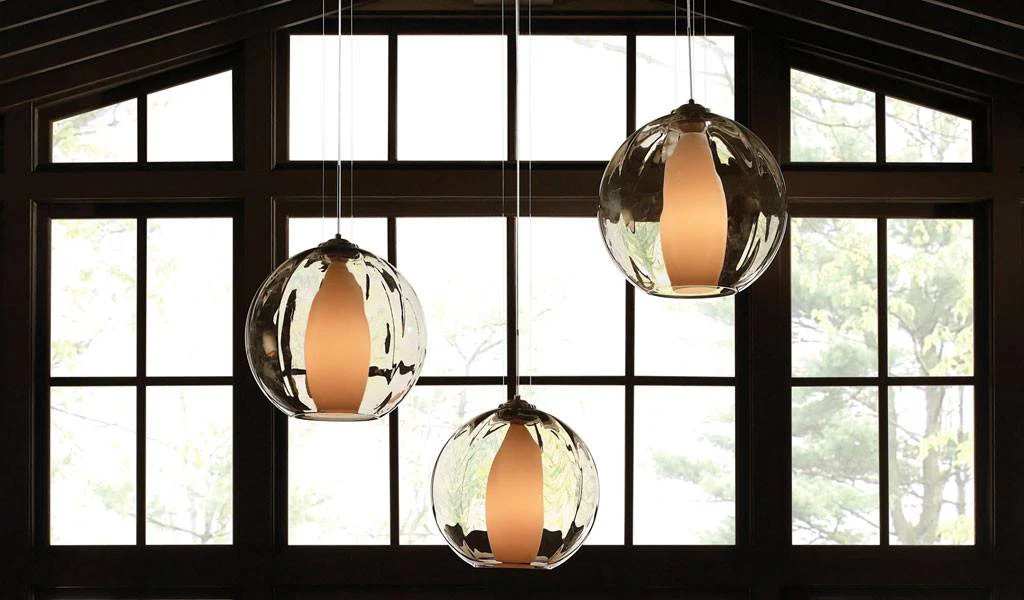
Lighting has always played a crucial role in how we experience our homes, workplaces, and public spaces. However, modern advancements have pushed illumination far beyond simply brightening a room. Today, tech lighting combines innovative design, energy efficiency, automation, and intelligent controls to create environments that are both functional and visually impressive.
Whether you’re renovating a living room, designing a commercial office, or upgrading an outdoor space, understanding contemporary lighting solutions can help you make smarter decisions. From sleek LED fixtures to app-controlled systems, modern illumination technology is reshaping how people interact with their surroundings.
What Is Tech Lighting?
Tech lighting refers to advanced lighting solutions that integrate modern technology with stylish design. Unlike traditional fixtures that focus solely on illumination, these systems often include smart controls, energy-saving features, customizable brightness, color temperature adjustments, and seamless integration with connected devices.
The goal is simple: provide better light quality while improving efficiency, convenience, and aesthetics.
Today’s lighting innovations can be found in homes, hotels, offices, retail stores, and entertainment venues. They allow users to create personalized environments that adapt to different activities and moods.
Why Modern Lighting Matters More Than Ever
The importance of lighting extends beyond visibility. Research consistently shows that light influences productivity, mood, comfort, and even sleep quality.
Imagine working in a home office with harsh overhead lighting that causes eye strain. Now compare that experience to a workspace with adjustable brightness and natural daylight simulation. The difference in comfort and focus can be significant.
This is where advanced lighting systems provide a noticeable advantage. They offer flexibility that traditional bulbs simply cannot match.
Some key benefits include:
- Improved energy efficiency
- Enhanced visual comfort
- Greater control over lighting conditions
- Modern and attractive aesthetics
- Longer fixture lifespan
- Reduced maintenance requirements
Key Features of Advanced Lighting Systems
Smart Controls
One of the most appealing aspects of modern lighting technology is smart control functionality. Users can adjust brightness, create schedules, and manage multiple fixtures through mobile apps, voice commands, or automated routines.
For example, lights can automatically dim during movie nights or gradually brighten in the morning to support a more natural waking experience.
LED Efficiency
LED technology has become the foundation of most contemporary lighting solutions. These lights consume significantly less energy than traditional incandescent bulbs while producing excellent illumination.
In addition to lowering electricity bills, LEDs generate less heat and typically last much longer, reducing replacement costs.
Customizable Color Temperatures
Different activities require different lighting environments. Cool white lighting often supports concentration and productivity, while warmer tones create a more relaxing atmosphere.
Modern fixtures frequently allow users to adjust color temperatures to match their needs throughout the day.
Architectural Design Integration
Advanced lighting is not just about technology; it’s also about appearance. Many fixtures feature minimalist designs, clean lines, and innovative forms that complement modern architecture and interior décor.
As someone who recently upgraded a workspace with adjustable LED fixtures, I noticed how dramatically the right lighting improved both the room’s appearance and daily comfort.
Types of Tech Lighting Solutions
Pendant Lighting
Pendant fixtures are suspended from the ceiling and often serve as focal points in kitchens, dining areas, and entryways. Modern versions incorporate LED technology and sleek contemporary designs.
Track Lighting
Track systems provide flexibility by allowing multiple adjustable fixtures along a mounted track. This makes them ideal for highlighting artwork, retail displays, or architectural features.
Recessed Lighting
Installed directly into ceilings, recessed fixtures create a clean, uncluttered appearance while delivering even illumination across a space.
Wall-Mounted Fixtures
Wall lighting can add both decorative appeal and practical functionality. Many contemporary designs include dimmable features and integrated LED technology.
Outdoor Smart Lighting
Exterior illumination has evolved considerably. Modern outdoor systems can improve security, enhance landscaping, and create welcoming outdoor living environments through programmable controls and motion sensors.
Comparing Traditional and Modern Lighting
The differences between conventional fixtures and advanced lighting systems become clear when evaluating key performance factors.
| Feature | Traditional Lighting | Modern Tech Lighting |
|---|---|---|
| Energy Efficiency | Moderate to Low | High |
| Lifespan | Shorter | Much Longer |
| Smart Controls | Rare | Common |
| Design Flexibility | Limited | Extensive |
| Color Adjustment | Usually Fixed | Often Adjustable |
| Maintenance | Frequent | Minimal |
| Operating Costs | Higher | Lower Over Time |
This comparison highlights why many homeowners and businesses are transitioning toward smarter illumination solutions.
How Advanced Lighting Solutions Enhance Real-World Spaces
Consider a modern retail store looking to improve customer experience. Traditional lighting may illuminate products adequately, but advanced systems can do much more.
Store managers can program brighter lighting for featured displays, adjust color temperatures to enhance product appearance, and automatically modify settings based on the time of day. The result is a more engaging shopping environment while simultaneously reducing energy consumption.
This combination of efficiency and enhanced customer experience demonstrates the practical value of modern lighting technology.
Choosing the Right Lighting for Your Space
Selecting the ideal solution depends on several factors.
Room Purpose
Different rooms require different lighting strategies. A kitchen typically benefits from bright task lighting, while a bedroom often calls for softer, warmer illumination.
Fixture Placement
Proper positioning ensures even light distribution and minimizes shadows or glare. Layering ambient, task, and accent lighting usually produces the best results.
Energy Goals
If reducing utility costs is a priority, LED-based systems with automated controls can provide significant long-term savings.
Design Preferences
The visual style of a fixture should complement the surrounding décor. Fortunately, modern lighting manufacturers offer options ranging from ultra-minimalist to highly artistic designs.
Future Trends in Lighting Technology
Innovation continues to accelerate within the lighting industry. Several emerging trends are shaping the future:
- Human-centric lighting systems
- Enhanced automation and AI integration
- Greater sustainability initiatives
- Advanced motion and occupancy sensing
- Wireless connectivity improvements
- Increased personalization capabilities
As these technologies become more accessible, users can expect even greater convenience and efficiency.
How Tech Lighting Supports Sustainable Living
Sustainability has become a major consideration for homeowners and businesses alike. Modern lighting solutions contribute significantly to environmental responsibility through reduced energy consumption and longer operational life.
Because LEDs require fewer replacements and consume less electricity, they help reduce both waste and carbon emissions. Combined with intelligent controls that prevent unnecessary usage, these systems support a more eco-conscious lifestyle without sacrificing performance or aesthetics.
Also Read:Lib Tech Orca Review: Features, Performance & Guide
Conclusion
Tech lighting has evolved into far more than a decorative feature. It represents a blend of innovation, efficiency, and intelligent design that enhances both residential and commercial environments. From customizable brightness settings to smart automation and energy-saving LED technology, modern lighting solutions provide benefits that traditional fixtures simply cannot match.
As technology continues to advance, lighting systems will become even more adaptive, efficient, and user-friendly. Whether you’re upgrading a single room or planning a complete renovation, investing in modern illumination can significantly improve comfort, functionality, and visual appeal for years to come.
Frequently Asked Questions
What is tech lighting?
Tech lighting refers to modern lighting systems that combine advanced technology, energy efficiency, smart controls, and contemporary design to enhance illumination and user experience.
Is tech lighting energy efficient?
Yes. Most modern lighting solutions use LED technology, which consumes significantly less energy and lasts much longer than traditional bulbs.
Can smart lighting systems be controlled remotely?
Many advanced systems allow remote control through mobile apps, voice assistants, and automated scheduling features.
Is modern lighting suitable for residential use?
Absolutely. Homeowners commonly use these solutions in living rooms, kitchens, bedrooms, offices, and outdoor areas.
Does tech lighting increase property value?
High-quality lighting upgrades can enhance a property’s visual appeal, functionality, and energy efficiency, which may contribute positively to its overall value.
What is the biggest advantage of advanced lighting systems?
The combination of energy savings, customization, convenience, and improved lighting quality is often considered the greatest advantage.