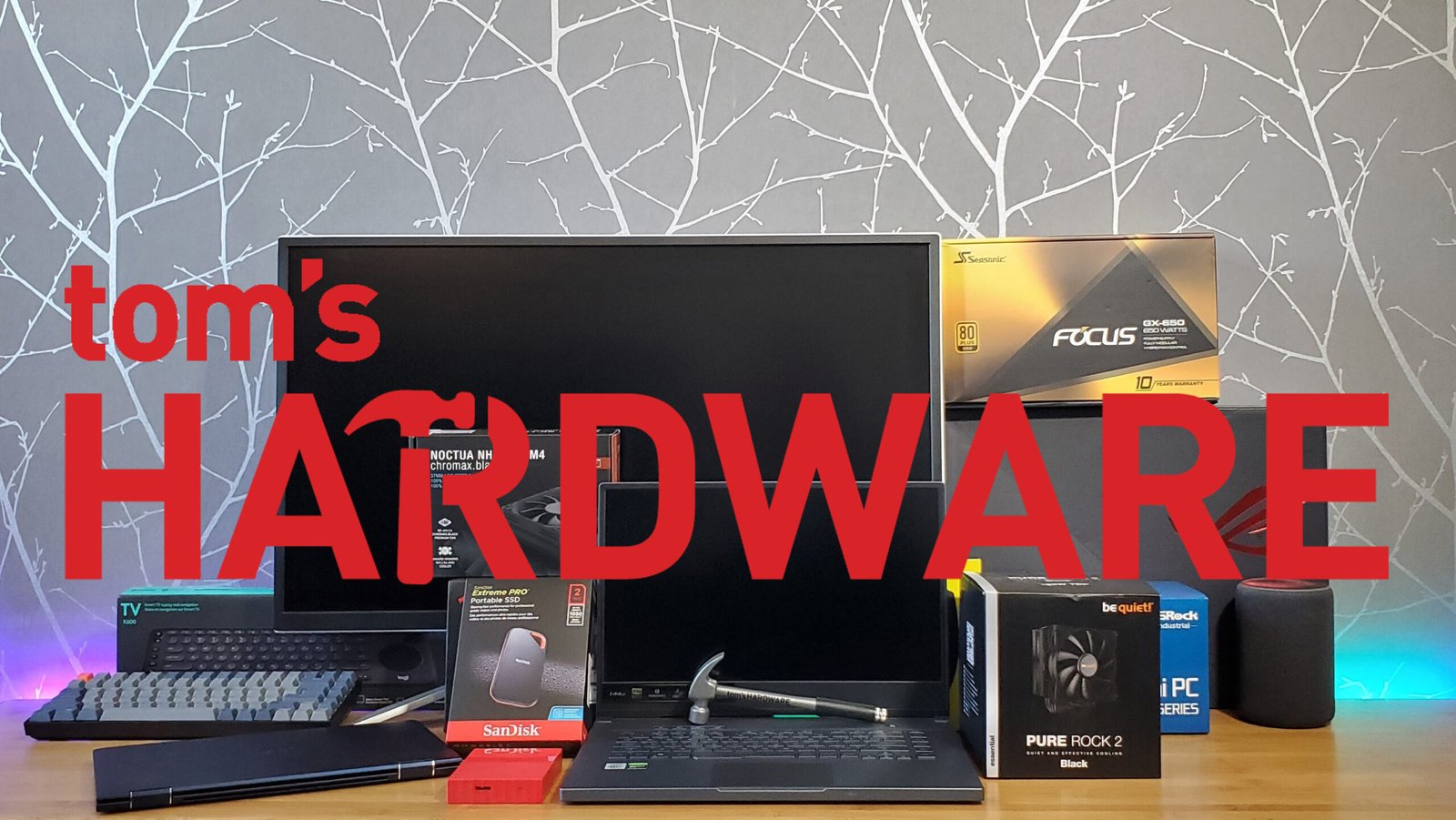
Whether you’re building your first gaming PC, upgrading an aging laptop, or comparing the latest graphics cards, finding reliable technology information can feel overwhelming. That’s where Tom’s Hardware has earned its reputation. For decades, it has been one of the most respected resources for computer hardware reviews, benchmarking, buying guides, and technology news.
Instead of relying on marketing claims, the platform focuses on hands-on testing and detailed analysis, helping readers make informed decisions based on real-world performance. From processors and SSDs to gaming peripherals and custom PC builds, it covers nearly every corner of the PC hardware ecosystem.
What Is Tom’s Hardware?
Tom’s Hardware is a technology publication dedicated to computer hardware, gaming components, PC building, and consumer electronics. Since its launch in the 1990s, it has become a trusted destination for enthusiasts, gamers, professionals, and everyday users looking for accurate product evaluations.
Its content typically includes:
- In-depth hardware reviews
- CPU and GPU benchmarks
- Laptop evaluations
- PC building tutorials
- Storage device comparisons
- Cooling and power supply recommendations
- Technology news and industry updates
- Buying guides for different budgets
The publication emphasizes independent testing, making it easier for readers to compare products based on measurable performance rather than advertising claims.
Why Tech Enthusiasts Trust Tom’s Hardware
The biggest strength of the platform is its focus on testing products in controlled environments. Rather than summarizing manufacturer specifications, reviewers often examine factors such as:
- Gaming frame rates
- Productivity performance
- Power consumption
- Temperature management
- Noise levels
- Long-term reliability
- Overall value for money
These practical insights help readers understand how a component performs in everyday use rather than just on paper.
I remember using one of its CPU comparison charts while planning a PC upgrade, and it made choosing the right processor much easier than browsing dozens of product pages.
Hardware Categories Covered
One reason many readers return regularly is the wide variety of topics available.
Processors (CPUs)
Processor reviews compare models from different manufacturers across gaming, productivity, multitasking, and content creation workloads. Benchmark charts make performance differences easier to understand.
Graphics Cards
GPU reviews are among the platform’s most popular resources. Readers can compare:
- Gaming performance
- Ray tracing capabilities
- AI-assisted features
- VR readiness
- Power efficiency
- Price-to-performance ratio
These reviews often include multiple game benchmarks across different resolutions.
Storage Devices
Whether you’re buying an NVMe SSD, SATA SSD, or traditional hard drive, storage reviews explain:
- Sequential read/write speeds
- Random performance
- Endurance ratings
- Thermal behavior
- Value for different workloads
Motherboards
Motherboard reviews focus on:
- Build quality
- BIOS usability
- Expansion options
- Connectivity
- Overclocking support
- VRM performance
Gaming Accessories
The publication also reviews:
- Mechanical keyboards
- Gaming mice
- Monitors
- Headsets
- PC cases
- Cooling solutions
- Power supplies
This makes it useful for building an entire gaming setup rather than choosing a single component.
How Benchmarking Helps Buyers
Raw specifications rarely tell the whole story. Two graphics cards may appear similar, yet perform quite differently in modern games.
Benchmark testing helps answer practical questions like:
- Which CPU offers better gaming performance?
- Which graphics card delivers higher frame rates?
- Which SSD loads games faster?
- Which laptop handles creative software more efficiently?
Instead of relying on marketing language, benchmark charts present measurable performance data that readers can compare directly.
Comparison Table: Tom’s Hardware vs Other Tech Review Sources
| Feature | Tom’s Hardware | Generic Tech Blogs | Manufacturer Websites |
|---|---|---|---|
| Independent testing | ✔ Extensive | Often limited | ✘ No |
| Benchmark charts | ✔ Yes | Sometimes | Rare |
| Buying guides | ✔ Detailed | Varies | Limited |
| PC building tutorials | ✔ Excellent | Basic | Rare |
| Product comparisons | ✔ Comprehensive | Moderate | Limited |
| Technical depth | High | Medium | Low |
This combination of reviews, benchmarks, and educational content makes it particularly valuable for readers who want more than a simple product recommendation.
How Expert Reviews Help Build a Better PC
Imagine you’re assembling a gaming PC with a fixed budget. You’re choosing between two graphics cards that cost nearly the same, but online opinions are conflicting.
Instead of guessing, you compare benchmark results, thermal testing, power usage, and gaming performance across multiple titles. The data reveals that one card consistently delivers smoother gameplay while consuming less power.
Making a purchase based on tested performance rather than marketing promises reduces the chances of buyer’s remorse and helps maximize every dollar spent.
Helpful Buying Guides
Beyond reviews, the site regularly publishes buying guides for different needs.
Popular examples include:
- Best gaming CPUs
- Best graphics cards
- Best SSDs
- Best gaming monitors
- Best PC cases
- Best laptops
- Best power supplies
- Best mechanical keyboards
These guides simplify shopping by categorizing products according to budget and intended use.
PC Building Resources
Building a custom PC can seem intimidating for beginners.
Fortunately, the platform offers tutorials covering topics such as:
- Installing a processor
- Applying thermal paste
- Installing RAM
- Choosing compatible parts
- Cable management
- BIOS configuration
- Cooling optimization
- Troubleshooting startup issues
Step-by-step instructions help reduce mistakes during assembly while improving confidence for first-time builders.
Keeping Up With Hardware Trends
Computer hardware evolves rapidly. Every year introduces new processors, graphics architectures, memory standards, storage technologies, and gaming features.
Regular news coverage helps readers stay informed about developments including:
- New CPU launches
- Graphics card announcements
- AI-powered PC technologies
- Storage innovations
- Gaming hardware releases
- Industry pricing trends
Following reliable reporting makes upgrade planning easier, especially when deciding whether to buy now or wait for upcoming products.
Who Benefits Most?
Different audiences can gain value from the platform.
Gamers
Gamers appreciate detailed FPS benchmarks across numerous modern titles, helping them identify hardware that delivers the best gaming experience.
Content Creators
Video editors, photographers, and 3D artists benefit from workstation benchmarks showing rendering, encoding, and multitasking performance.
Students
Students researching computer hardware learn how individual components affect system performance while discovering budget-friendly recommendations.
Professionals
IT specialists and PC technicians use detailed technical analysis to evaluate components before recommending them to clients or organizations.
Tips for Using Hardware Reviews Effectively
Reading a review is only the first step. Consider these best practices:
- Match recommendations to your workload.
- Compare multiple benchmark results instead of focusing on one score.
- Balance performance with power efficiency.
- Consider future upgrade options.
- Stay within your budget rather than chasing the highest specifications.
- Read buying guides alongside individual reviews for broader context.
These habits help you choose hardware that offers the best long-term value instead of simply buying the newest release.
Also Read:Windows 11 ISO Download Guide for Safe Installation Today
Conclusion
Tom’s Hardware remains one of the most respected sources for PC hardware information because it combines independent testing, detailed benchmarks, practical buying advice, and educational resources in one place. Whether you’re comparing processors, researching graphics cards, selecting storage devices, or building a complete gaming PC, its comprehensive reviews help simplify complex purchasing decisions.
For beginners and experienced enthusiasts alike, relying on well-tested data instead of marketing claims leads to smarter upgrades, better performance, and greater confidence in every hardware investment.
Frequently Asked Questions
Is Tom’s Hardware reliable?
Yes. It has built a strong reputation for independent hardware testing, detailed benchmarks, and objective product reviews over many years.
Does Tom’s Hardware review gaming hardware?
Absolutely. It regularly reviews graphics cards, processors, gaming monitors, keyboards, mice, SSDs, laptops, and other gaming components.
Is Tom’s Hardware useful for beginners?
Yes. In addition to reviews, it offers beginner-friendly PC building tutorials, buying guides, and troubleshooting articles that simplify complex topics.
Can I compare CPUs and GPUs on Tom’s Hardware?
Yes. The platform publishes benchmark charts and comparison articles that help readers evaluate processor and graphics card performance across different workloads.
Why are benchmark tests important?
Benchmarks provide measurable performance data, allowing buyers to compare products fairly and make informed purchasing decisions instead of relying solely on advertised specifications.