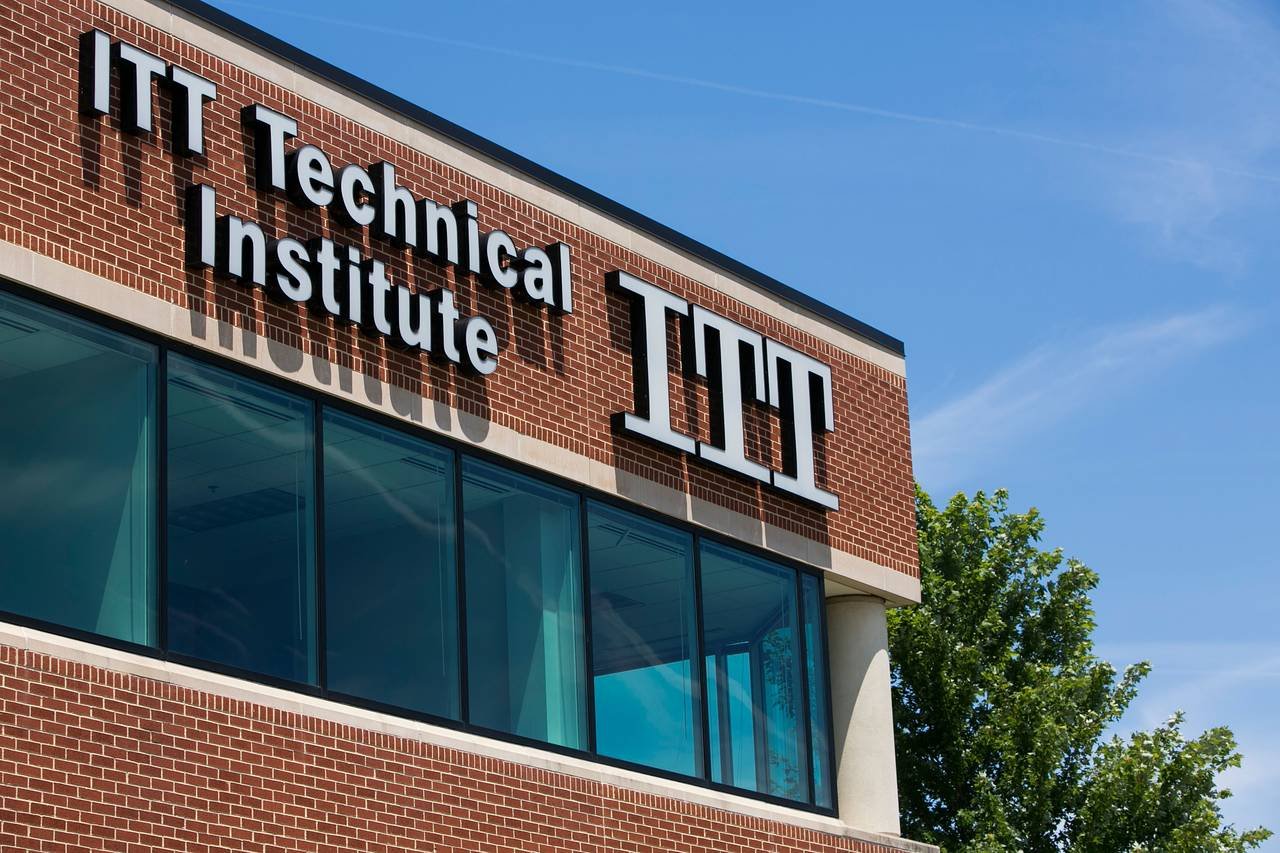
For many years, ITT Tech was one of the most recognizable names in career-focused higher education across the United States. Students seeking practical training in technology, business, electronics, and related fields often considered it an accessible path toward professional development. Although the institution is no longer operating, its history, influence, and lessons remain relevant to discussions about technical education today.
This article explores the story of ITT Tech, its educational approach, the reasons behind its popularity, the challenges it faced, and the broader impact it left on students and the education industry.
What Was ITT Tech?
ITT Tech, officially known as the ITT Technical Institute, was a network of private educational institutions that offered degree programs focused on technical and career-oriented fields. The school aimed to prepare students for employment in industries that required specialized skills rather than traditional academic pathways.
Programs typically covered areas such as:
- Information technology
- Computer networking
- Software development
- Electronics engineering technology
- Business administration
- Criminal justice
- Drafting and design
The institution attracted students who wanted a practical learning environment with a stronger emphasis on job-related skills than conventional universities often provided.
Why Did So Many Students Choose ITT Tech?
One reason for its popularity was flexibility. Many students were working adults, parents, military veterans, or individuals seeking a career change. Traditional four-year universities did not always fit their schedules or career goals.
ITT Tech positioned itself as an institution where students could gain industry-relevant knowledge while balancing other responsibilities. Smaller class sizes and focused coursework appealed to learners who preferred hands-on instruction.
I once spoke with a professional who said that the structured, career-focused environment helped them stay motivated when returning to education after several years in the workforce.
This type of experience reflected why many students initially found the institution attractive.
Educational Approach and Learning Environment
The school’s educational philosophy centered on applied learning. Rather than focusing heavily on theoretical concepts, many courses emphasized practical skills that could be used in workplace settings.
Students often worked with:
- Networking equipment
- Programming tools
- Technical software
- Engineering systems
- Business applications
The goal was to create a bridge between classroom instruction and real-world job requirements.
A typical student might spend time learning networking fundamentals and then immediately apply those concepts in simulated workplace scenarios. This practical orientation distinguished the institution from many traditional academic environments.
Comparing ITT Tech with Traditional Universities
While every educational institution is different, the following comparison highlights general differences that students often considered when evaluating their options.
| Factor | ITT Tech Approach | Traditional University Approach |
|---|---|---|
| Primary Focus | Career-oriented training | Academic and career development |
| Program Structure | Specialized and focused | Broad curriculum |
| Student Demographics | Working adults and career changers | Diverse age groups |
| Learning Style | Practical and applied | Theory plus application |
| Schedule Flexibility | Often designed for nontraditional students | Varies by institution |
| Degree Options | Technical and vocational emphasis | Wide variety of disciplines |
This comparison helps explain why different students were drawn to different educational paths depending on their goals and circumstances.
The Rapid Growth of Career-Focused Education
During the late 1990s and early 2000s, demand for technology professionals increased significantly. Businesses required skilled workers who could manage computer systems, support networks, and contribute to emerging digital initiatives.
Schools specializing in technical training expanded rapidly to meet this demand.
A real-world example illustrates this trend well. Imagine a manufacturing company transitioning from paper-based operations to digital systems. The company suddenly needs technicians, network administrators, and IT support specialists. Institutions focused on technical education were often viewed as a fast route for developing these workforce skills.
This environment contributed to the growth and visibility of institutions like ITT Tech.
Challenges and Controversies
Despite its popularity, the institution faced increasing scrutiny over time.
Regulatory agencies, policymakers, and consumer advocates raised concerns regarding several aspects of the school’s operations. Issues discussed publicly included student debt levels, recruitment practices, and graduate outcomes.
As oversight intensified, financial and operational pressures increased.
These concerns eventually contributed to significant challenges for the organization. In 2016, the institution ceased operations, affecting thousands of students across multiple campuses.
The closure became one of the most widely discussed events in the history of American higher education and sparked broader conversations about accountability, educational quality, and student protection.
Impact on Former Students
The closure created uncertainty for many students who were still pursuing their education.
Questions emerged regarding:
- Credit transfers
- Degree completion
- Student loan obligations
- Employment prospects
- Academic records
Some students transferred to other institutions, while others pursued alternative educational pathways. Government programs and relief initiatives were later introduced to address certain student concerns.
The situation highlighted the importance of evaluating educational institutions carefully before enrollment and understanding factors such as accreditation, financial stability, and transferability of credits.
Lessons for Today’s Students
The story of ITT Tech offers valuable lessons for anyone considering higher education.
Before choosing a school, prospective students should research:
Accreditation Status
Accreditation helps ensure educational standards and may influence transfer opportunities, employment prospects, and financial aid eligibility.
Program Outcomes
Students should examine graduation rates, employment statistics, and alumni experiences whenever possible.
Total Educational Costs
Understanding tuition, fees, financing options, and potential debt obligations is essential when making long-term educational decisions.
Career Alignment
The best educational investment is often one that aligns closely with specific career goals and labor market demand.
Making informed decisions can significantly improve both educational and professional outcomes.
The Evolution of Technical Education
The educational landscape has changed considerably since the peak years of ITT Tech.
Today, learners have access to:
- Online degree programs
- Industry certifications
- Coding boot camps
- Community colleges
- Hybrid learning models
- University technology programs
These alternatives provide greater flexibility and often allow students to customize their learning journeys.
Employers increasingly value demonstrated skills alongside formal credentials, creating more pathways into technology and business careers than ever before.
As a result, students can compare multiple educational options and select programs that best match their goals, schedules, and budgets.
Why ITT Tech Still Matters Today
Although the institution no longer operates, discussions about ITT Tech continue because its history represents a significant chapter in modern technical education.
Its rise demonstrated the demand for practical, career-focused learning. Its challenges highlighted the importance of transparency, oversight, and student-centered policies. Together, these lessons continue to shape educational institutions and regulatory frameworks.
For researchers, policymakers, educators, and prospective students, understanding this history provides valuable context for evaluating today’s educational opportunities.
Also Read:UploadWords Com Tech: Latest Technology Insights Guide
Conclusion
ITT Tech played a major role in expanding access to career-oriented education for thousands of students seeking practical skills and professional advancement. Its emphasis on technology-focused learning reflected workforce needs during a period of rapid digital transformation.
At the same time, its eventual closure underscored the importance of informed decision-making when selecting an educational institution. The lessons learned from its history continue to influence discussions about student success, accountability, affordability, and educational quality.
As technical education evolves, the legacy of ITT Tech remains a reminder that both opportunity and responsibility are essential components of higher education.
Frequently Asked Questions
What did ITT Tech specialize in?
The institution primarily focused on technical and career-oriented programs, including information technology, electronics, engineering technology, business, and related fields.
Is ITT Tech still operating?
No. The institution ceased operations in 2016 after facing regulatory and financial challenges.
Were degrees from ITT Tech legitimate?
The institution was accredited during various periods of its operation. However, students should review specific accreditation details relevant to their enrollment dates and programs.
What happened to students after the closure?
Many students transferred to other institutions, pursued alternative education options, or sought assistance through available student relief programs.
What can prospective students learn from the ITT Tech story?
The most important lessons include researching accreditation, understanding educational costs, evaluating career outcomes, and comparing multiple institutions before enrolling.
Are there alternatives to career-focused technical schools today?
Yes. Students can choose from community colleges, universities, online degree programs, certification pathways, boot camps, and hybrid learning options depending on their goals.