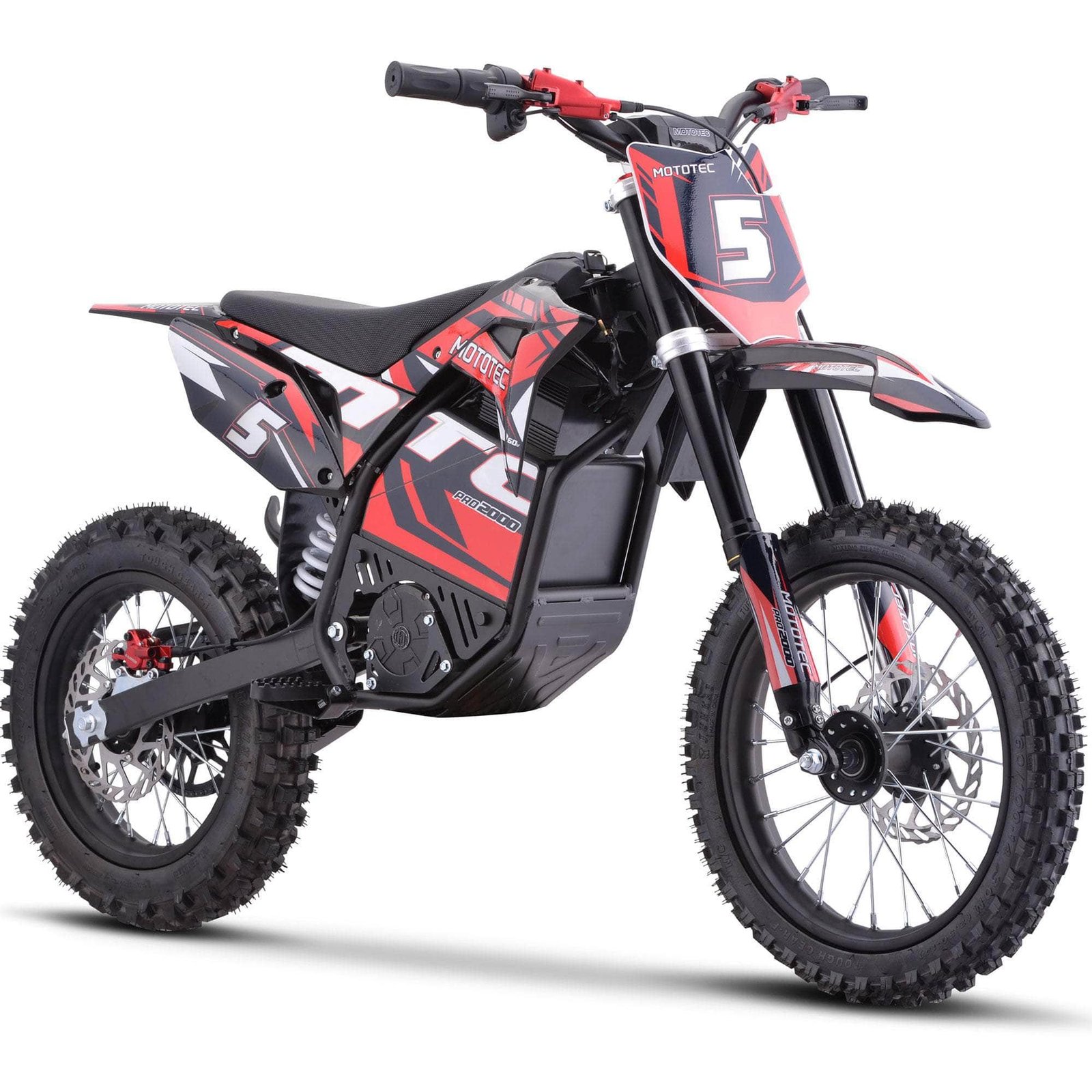
Motorcycles have always represented freedom, adventure, and a unique connection between rider and machine. Yet today’s riding experience is no longer defined solely by engine power or sleek design. The rapid evolution of moto tech is reshaping how motorcycles perform, communicate, and protect riders on the road.
From advanced safety systems to smart connectivity features, modern motorcycles are becoming increasingly intelligent. Whether you’re a daily commuter, a touring enthusiast, or a weekend rider, understanding these technological developments can help you make informed decisions and enjoy a safer, more enjoyable ride.
Understanding the Evolution of Motorcycle Technology
The motorcycle industry has experienced remarkable technological growth over the past two decades. What was once considered premium equipment is now becoming standard on many models.
Earlier motorcycles focused primarily on mechanical reliability and engine performance. Today, manufacturers integrate sophisticated electronics, rider assistance systems, and digital interfaces that improve both safety and convenience.
Modern innovations are designed not to replace the thrill of riding but to enhance it. Riders can enjoy better control, improved fuel efficiency, and real-time information while maintaining the excitement that makes motorcycling so appealing.
Key Innovations Driving Moto Tech Forward
Several technological advancements are shaping the future of motorcycles.
Advanced Rider Assistance Systems
Many contemporary motorcycles feature electronic systems that actively support riders in challenging conditions.
These systems may include:
- Anti-lock Braking Systems (ABS)
- Traction Control
- Cornering Assistance
- Wheelie Control
- Cruise Control
- Electronic Stability Programs
By constantly monitoring wheel speed, lean angle, and road conditions, these technologies help reduce risks without diminishing rider involvement.
Smart Connectivity Features
Connectivity has become a major focus in the motorcycle world.
Modern bikes can now connect with smartphones, navigation systems, and communication devices. Riders can access turn-by-turn directions, receive call notifications, control music playback, and even monitor vehicle health through dedicated mobile applications.
This integration creates a seamless riding experience where important information remains accessible without becoming distracting.
Digital Instrument Clusters
Traditional analog gauges are increasingly being replaced by high-resolution digital displays.
These screens provide:
- Navigation guidance
- Tire pressure information
- Fuel consumption data
- Weather alerts
- Performance metrics
- Maintenance reminders
The result is a cleaner dashboard and easier access to valuable riding information.
Safety Enhancements Changing the Industry
Safety remains one of the most significant areas of development in motorcycle engineering.
Cornering ABS
Unlike traditional braking systems, cornering ABS adjusts braking force based on the motorcycle’s lean angle. This helps maintain stability during emergency braking situations while navigating curves.
Adaptive Lighting
Advanced lighting systems automatically adjust beam direction as the motorcycle leans into turns. This improves visibility during nighttime riding and enhances rider confidence on winding roads.
Blind Spot Monitoring
Some premium motorcycles now include radar-based blind spot detection. These systems alert riders to nearby vehicles, helping reduce lane-change risks.
Collision Warning Technology
Emerging systems use sensors and radar to detect potential hazards ahead, providing warnings that allow riders additional reaction time.
How Advanced Technology Enhances Everyday Riding
Technology becomes most valuable when it solves practical challenges.
Imagine a rider commuting through heavy city traffic during a rainy morning. Sudden braking, slippery roads, and limited visibility create multiple hazards. With traction control, ABS, adaptive lighting, and real-time navigation, the rider gains additional support that can significantly improve safety and confidence.
This real-world scenario demonstrates how modern innovations provide meaningful assistance rather than simply adding complexity.
Comparing Traditional and Modern Motorcycle Features
The transformation becomes clearer when comparing older motorcycles with today’s technology-enhanced models.
| Feature | Traditional Motorcycles | Modern Motorcycles |
|---|---|---|
| Braking System | Mechanical braking assistance | ABS and cornering ABS |
| Dashboard | Analog gauges | Full digital displays |
| Navigation | External devices required | Integrated navigation |
| Connectivity | Limited or none | Smartphone integration |
| Safety Features | Basic protection | Advanced rider aids |
| Diagnostics | Manual inspections | Real-time monitoring |
While traditional motorcycles continue to offer simplicity and mechanical charm, newer models provide additional convenience, safety, and performance optimization.
The Rise of Electric Motorcycles
Electric mobility is becoming an important part of the motorcycle landscape.
Electric motorcycles offer several advantages:
- Instant torque delivery
- Lower maintenance requirements
- Reduced operating costs
- Quiet operation
- Zero tailpipe emissions
Battery technology continues to improve, leading to longer riding ranges and faster charging times. As infrastructure expands, electric motorcycles are becoming increasingly practical for both urban commuting and recreational riding.
Artificial Intelligence and Predictive Systems
One of the most exciting developments involves intelligent systems that learn from riding patterns.
Future motorcycles may analyze rider behavior and provide personalized recommendations for:
- Maintenance scheduling
- Fuel efficiency improvements
- Route optimization
- Safety alerts
Predictive diagnostics can identify potential mechanical issues before they become serious problems, reducing unexpected breakdowns and repair costs.
How Technology Improves Long-Distance Touring
Touring riders often spend hours on the road, making comfort and convenience essential.
Modern touring motorcycles frequently include:
- Electronic suspension adjustment
- Heated seats and grips
- Adaptive cruise control
- Integrated communication systems
- GPS navigation
- Ride mode customization
I once spent an entire day riding through changing weather conditions and quickly realized how valuable electronic rider aids and navigation systems can be during long journeys.
These features help reduce fatigue while allowing riders to focus more on the experience itself.
Choosing a Motorcycle with the Right Technology
Not every rider requires the most advanced features available.
When evaluating a motorcycle, consider:
Riding Style
Commuters may prioritize connectivity and safety features, while adventure riders may benefit from off-road riding modes and navigation systems.
Experience Level
Newer riders often appreciate technologies that provide additional confidence and support.
Budget Considerations
Premium technology packages can increase purchase prices, so it’s important to focus on features that deliver real value for your riding needs.
Long-Term Ownership
Advanced diagnostics and maintenance monitoring can potentially reduce ownership costs over time by helping prevent major mechanical issues.
The Future of Moto Tech
The pace of innovation shows no signs of slowing.
Upcoming developments may include:
- Enhanced radar systems
- Vehicle-to-vehicle communication
- Augmented reality helmet displays
- Semi-autonomous safety features
- Improved electric powertrains
- Advanced battery technology
As these innovations mature, motorcycles will continue evolving into smarter, safer, and more connected machines.
Also Read:Latest Tech Info at Beaconsoft: Trends & Insights Guide
Conclusion
Moto tech is redefining what riders can expect from their motorcycles. From advanced safety systems and digital connectivity to electric propulsion and intelligent diagnostics, technology is enhancing nearly every aspect of the riding experience.
Importantly, these innovations are not replacing the excitement and freedom associated with motorcycling. Instead, they are helping riders enjoy those experiences with greater confidence, convenience, and control. As technology continues advancing, the future promises motorcycles that are not only more capable but also more responsive to the needs of riders around the world.
Frequently Asked Questions
What does moto tech mean?
Moto tech refers to the technologies, electronic systems, and innovations used in modern motorcycles to improve performance, safety, connectivity, and rider experience.
Is advanced motorcycle technology worth the investment?
For many riders, yes. Features such as ABS, traction control, navigation, and diagnostic systems can enhance safety, convenience, and long-term ownership satisfaction.
Are electric motorcycles part of moto tech?
Absolutely. Electric motorcycles represent one of the fastest-growing areas of motorcycle innovation, offering efficient power delivery and reduced maintenance requirements.
Does technology make motorcycles safer?
Modern safety technologies such as ABS, traction control, adaptive lighting, and collision warning systems can significantly improve rider safety when used properly.
Will future motorcycles become fully autonomous?
While advanced assistance systems will continue evolving, fully autonomous motorcycles face unique engineering challenges. Most future developments are expected to focus on enhancing rider support rather than replacing rider control.