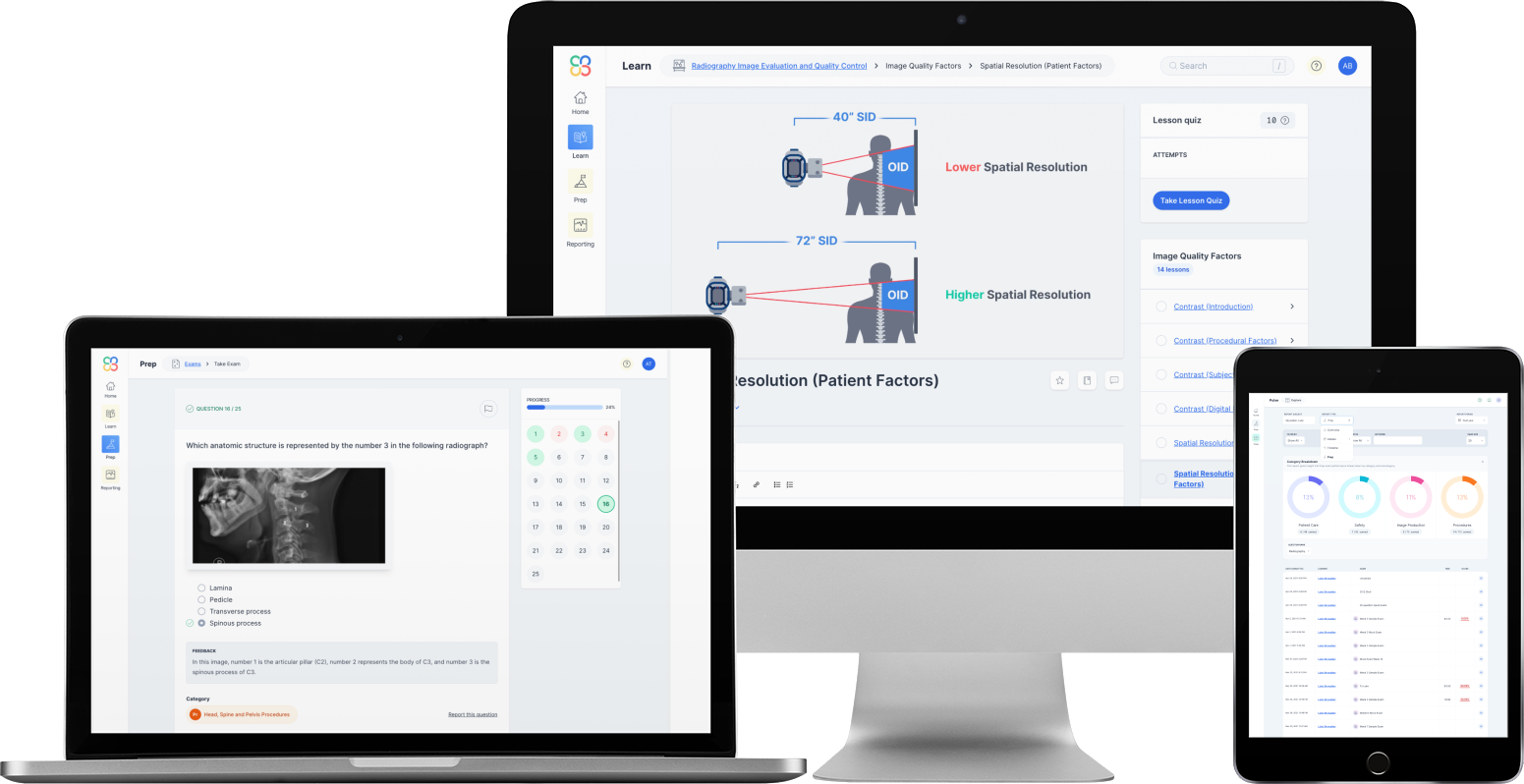
Healthcare careers continue to attract people looking for meaningful work, job stability, and opportunities for growth. Among the many options available, radiologic technology stands out because it combines patient care with advanced medical imaging equipment. As interest in the field grows, many aspiring professionals are searching for a rad tech boot camp to accelerate their learning and prepare for a career in diagnostic imaging.
But what exactly is a radiology technology training boot camp, and can it truly help someone enter the profession faster? Understanding the benefits, limitations, and expectations of these programs can help prospective students make informed decisions.
Understanding Radiologic Technology
Radiologic technologists, often called rad techs, are healthcare professionals who perform diagnostic imaging procedures such as X-rays. They work closely with physicians and patients, ensuring imaging exams are completed safely and accurately.
Their responsibilities often include:
- Positioning patients for imaging procedures
- Operating imaging equipment
- Following radiation safety protocols
- Maintaining patient records
- Assisting physicians with diagnostic imaging needs
Because they play a critical role in patient diagnosis and treatment, proper training is essential before entering the workforce.
What Is a Rad Tech Boot Camp?
A rad tech boot camp is generally an intensive educational program designed to introduce students to key concepts in radiologic technology. Unlike traditional degree programs that can take several years, these accelerated courses focus on foundational knowledge and practical skills within a shorter timeframe.
Some programs are intended to help students:
- Prepare for radiography school admissions
- Strengthen medical terminology knowledge
- Learn anatomy and imaging fundamentals
- Review concepts for certification exams
- Develop confidence before clinical training
The exact structure varies widely depending on the institution offering the training.
Why Accelerated Training Appeals to Students
Many people considering healthcare careers are working adults, parents, or career changers. For these individuals, spending years in school before entering the workforce may seem overwhelming.
An intensive training format offers several advantages:
Faster Exposure to the Field
Students can quickly determine whether radiologic technology aligns with their interests and career goals.
Structured Learning Environment
Boot camps often provide focused instruction without the distractions commonly found in longer educational pathways.
Career Transition Opportunities
Individuals moving from unrelated industries may find accelerated programs helpful for building foundational healthcare knowledge.
I once spoke with a healthcare student who completed an intensive imaging preparation course before entering a radiography program, and they described it as a valuable confidence booster during their transition into the medical field.
Core Topics Commonly Covered
Although course content differs among providers, most training programs emphasize essential healthcare and imaging concepts.
Human Anatomy and Physiology
Understanding the structure and function of the human body is critical for accurate imaging procedures.
Medical Terminology
Students learn the language used by healthcare professionals, helping them communicate effectively in clinical environments.
Radiation Safety
Proper radiation protection remains one of the most important responsibilities of imaging professionals.
Patient Care Fundamentals
Programs often introduce communication techniques, patient positioning, and basic healthcare ethics.
Imaging Equipment Basics
Students gain familiarity with X-ray systems and imaging workflows commonly used in healthcare facilities.
Comparing Training Pathways
Many prospective students wonder how accelerated programs compare with traditional educational routes.
| Feature | Rad Tech Boot Camp | Traditional Radiography Program |
|---|---|---|
| Duration | Weeks to months | 18 months to 4 years |
| Focus | Fundamentals and preparation | Comprehensive professional training |
| Clinical Experience | Limited or none | Extensive clinical rotations |
| Cost | Generally lower | Usually higher |
| Career Readiness | Preparatory | Direct path to professional qualification |
| Flexibility | Often higher | Structured academic schedule |
This comparison highlights an important reality: accelerated training can be an excellent starting point, but it typically does not replace the formal education required for professional practice.
How Accelerated Training Supports Career Transitions
Imagine a retail manager who has spent ten years supervising employees and serving customers. Seeking a more rewarding healthcare career, they become interested in diagnostic imaging but feel intimidated by the medical terminology and science requirements.
Instead of immediately enrolling in a full radiography program, they complete an intensive preparatory course. Over several weeks, they learn anatomy basics, patient communication techniques, and imaging concepts. By the time they begin formal education, they already understand many foundational topics, making the transition smoother and less stressful.
This type of scenario illustrates why accelerated learning programs continue to attract career changers.
Skills That Help Students Succeed
Success in radiologic technology depends on more than technical knowledge alone.
Attention to Detail
Accurate imaging requires precise positioning and adherence to procedures.
Communication Skills
Patients often feel anxious before medical imaging exams. Clear communication can improve comfort and cooperation.
Physical Stamina
Technologists spend significant time standing, moving equipment, and assisting patients.
Problem-Solving Ability
Unexpected challenges can arise during imaging procedures, requiring quick thinking and adaptability.
Commitment to Learning
Medical imaging technology evolves continuously, making ongoing education essential throughout a professional career.
Choosing the Right Program
Not all training options offer the same quality or value. Before enrolling, prospective students should evaluate several factors carefully.
Instructor Experience
Programs led by experienced imaging professionals often provide more practical insights.
Curriculum Quality
A well-designed curriculum should balance theoretical knowledge with real-world applications.
Student Support
Academic guidance, mentorship, and career resources can significantly enhance the learning experience.
Scheduling Flexibility
Working adults may benefit from evening, weekend, or online learning options.
Reputation
Researching student reviews and outcomes can provide valuable insight into program effectiveness.
Career Outlook for Future Imaging Professionals
Demand for medical imaging services continues to grow as healthcare systems expand and populations age. Diagnostic imaging remains a critical component of modern medicine, supporting physicians in identifying injuries, diseases, and treatment needs.
Radiologic technologists may eventually pursue specialized areas such as:
- Computed tomography (CT)
- Magnetic resonance imaging (MRI)
- Mammography
- Interventional radiology
- Bone densitometry
These advanced specialties can create additional opportunities for career growth and professional development.
Common Misconceptions About Boot Camps
“I Can Become a Certified Rad Tech Immediately”
Most accelerated programs serve as preparation rather than complete professional qualification pathways.
“The Training Is Easy”
The condensed format often requires intense focus and consistent study.
“Only Healthcare Workers Can Join”
Many programs welcome beginners with no prior medical experience.
“Shorter Means Lower Quality”
Well-designed intensive programs can deliver substantial value when expectations align with their intended purpose.
Also Read:Boeing Center at Tech Port: Events, Venue & Guide
Conclusion
A rad tech boot camp can be an excellent stepping stone for individuals interested in diagnostic imaging careers. While these accelerated programs typically do not replace formal radiography education, they provide valuable exposure to medical terminology, anatomy, patient care principles, and imaging fundamentals.
For career changers, recent graduates, and aspiring healthcare professionals, intensive training offers a practical way to explore the field and build confidence before pursuing more comprehensive education. By understanding what these programs can and cannot provide, students can make smarter decisions and position themselves for long-term success in the evolving world of medical imaging.
Frequently Asked Questions
What is a rad tech boot camp?
It is an accelerated training program designed to introduce students to radiologic technology concepts, imaging fundamentals, and healthcare knowledge.
Can a boot camp replace a radiography degree?
In most cases, no. Professional radiologic technologists generally need formal education and clinical training that go beyond boot camp instruction.
Who should consider this type of program?
Career changers, aspiring healthcare workers, and students preparing for radiography school often benefit from intensive preparatory training.
How long does a typical program last?
Depending on the provider, courses may range from a few weeks to several months.
Are online options available?
Many institutions offer online or hybrid formats that provide greater flexibility for working adults.
What skills are most important for future rad techs?
Attention to detail, communication skills, adaptability, patient care abilities, and a willingness to continue learning are among the most valuable qualities.