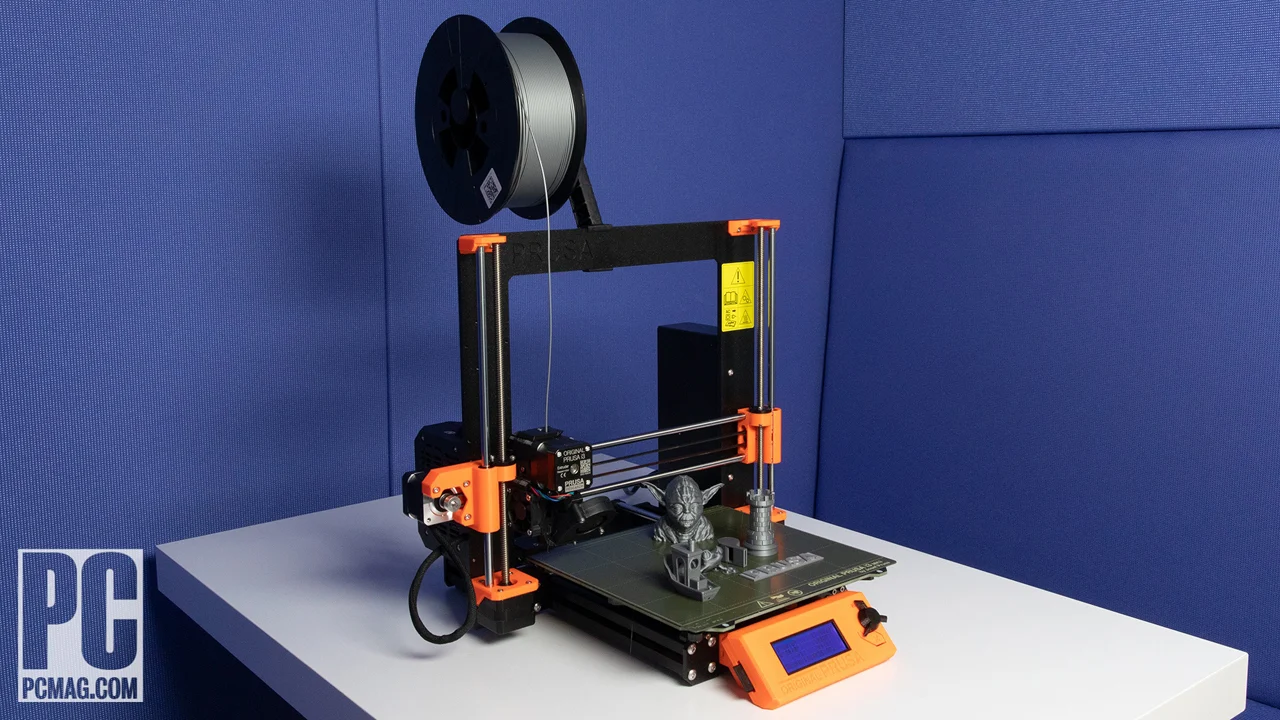
3D printing is no longer reserved for engineers, manufacturers, or tech enthusiasts with deep pockets. Over the past few years, desktop fabrication technology has become significantly more affordable, allowing hobbyists, students, small business owners, and creators to bring their ideas to life without spending a fortune.
If you’re searching for the best budget 3D printers, you’ll find that today’s entry-level machines offer impressive print quality, user-friendly interfaces, and features that were once available only in premium models. The challenge isn’t finding an affordable printer—it’s choosing one that balances cost, reliability, and performance.
This guide explores some of the top low-cost 3D printers available today and explains how to select the right model for your needs.
Why Budget 3D Printers Have Improved So Much
The 3D printing industry has become highly competitive. Manufacturers now focus on delivering better features at lower prices to attract beginners and hobbyists.
Modern affordable printers often include:
- Automatic bed leveling
- Faster printing speeds
- Quiet operation
- Improved build quality
- Touchscreen controls
- Better filament compatibility
As a result, even entry-level machines can produce professional-looking prototypes, decorative items, educational models, and functional household parts.
Top Affordable 3D Printers Worth Considering
The following models consistently stand out for their value, reliability, and user satisfaction.
| Printer Model | Build Volume | Key Strength | Best For |
|---|---|---|---|
| Creality Ender 3 V3 SE | 220 × 220 × 250 mm | Excellent value and ease of use | Beginners |
| Anycubic Kobra 3 | 250 × 250 × 260 mm | Fast printing speeds | Home creators |
| Elegoo Neptune 4 | 225 × 225 × 265 mm | Performance-focused design | Enthusiasts |
| Bambu Lab A1 Mini | 180 × 180 × 180 mm | Exceptional user experience | New users |
| Sovol SV06 | 220 × 220 × 250 mm | Reliable mechanical system | DIY makers |
Each option offers a different blend of features, making it easier to find a machine that matches your goals and budget.
Creality Ender 3 V3 SE: The Everyday Favorite
Creality’s Ender series has earned a strong reputation among makers worldwide.
The Ender 3 V3 SE provides automatic leveling, direct-drive extrusion, and straightforward setup at a price point that remains accessible to most buyers. It handles common materials such as PLA, PETG, and TPU with confidence.
For someone entering the world of additive manufacturing, this machine delivers a smooth learning experience without sacrificing print quality.
Pros
- Affordable entry point
- Large online community
- Easy replacement parts
- Consistent print results
Cons
- Limited advanced features compared to premium models
Anycubic Kobra 3: Speed Meets Affordability
Many budget printers prioritize cost over performance. The Kobra 3 manages to offer both.
Its higher print speeds make it appealing to users who frequently produce prototypes or multiple models. Automatic calibration reduces setup frustrations, allowing users to spend more time creating and less time troubleshooting.
If efficiency matters as much as affordability, this printer deserves serious consideration.
Elegoo Neptune 4: A Performance-Oriented Option
Elegoo has become a respected name among hobbyists thanks to its focus on delivering premium features at reasonable prices.
The Neptune 4 combines sturdy construction with rapid movement systems that support faster printing while maintaining accuracy.
Users who have already gained some experience with 3D printing often appreciate the additional control and flexibility this machine provides.
Bambu Lab A1 Mini: Beginner-Friendly Excellence
Not everyone wants to spend hours adjusting settings before achieving a successful print.
The A1 Mini simplifies the process through intelligent calibration and a polished user experience. While its build area is smaller than some competitors, the convenience factor is hard to ignore.
I personally tested a beginner-focused printer with automatic calibration features, and the difference in setup time compared to older machines was remarkable.
For users who value simplicity above all else, this compact machine offers tremendous value.
Sovol SV06: Built for Tinkerers
Some makers enjoy modifying and upgrading their equipment. The SV06 caters perfectly to that audience.
Its robust mechanical design and dependable motion system create a solid foundation for experimentation. Whether you’re printing replacement parts, custom brackets, or creative projects, this machine delivers reliable performance without a premium price tag.
How to Choose the Right Affordable 3D Printer
Price alone shouldn’t determine your decision. Consider these factors before making a purchase.
Build Volume
Build volume determines the maximum size of an object you can print.
If you primarily create miniatures, educational models, or decorative pieces, a smaller printer may be sufficient. Larger projects such as cosplay props or functional prototypes benefit from a bigger print area.
Print Speed
Faster printing reduces waiting time and improves productivity.
Recent models have dramatically increased printing speeds, making them attractive for users who produce multiple items regularly.
Ease of Setup
Some printers require extensive assembly and calibration, while others arrive nearly ready to use.
Beginners typically enjoy a smoother experience with machines featuring automatic leveling and guided setup procedures.
Material Compatibility
Most affordable printers support PLA, but many can also print PETG, TPU, and other materials.
If flexibility is important, verify material compatibility before purchasing.
Community Support
A strong user community can save countless hours of troubleshooting.
Popular models often have extensive tutorials, forums, upgrade guides, and printable modifications available online.
How Low-Cost 3D Printers Support Creative Projects
Imagine a small business owner who creates personalized gifts and home décor items.
Instead of outsourcing production, they invest in a budget-friendly 3D printer for under a few hundred dollars. Within weeks, they’re producing customized products on demand, reducing manufacturing costs and increasing profit margins.
This scenario highlights why affordable 3D printing has become such a powerful tool for entrepreneurs and creators alike.
Common Mistakes to Avoid
Many first-time buyers focus entirely on purchase price and overlook ongoing costs.
Avoid these common pitfalls:
- Buying solely based on the lowest price
- Ignoring filament expenses
- Overlooking replacement part availability
- Choosing a build volume that’s too small
- Expecting flawless prints without learning basic settings
A slightly more expensive printer with better reliability often provides greater long-term value.
Is a Budget 3D Printer Good Enough?
For most users, absolutely.
Today’s affordable machines can produce detailed models, functional components, prototypes, educational tools, and artistic creations with impressive consistency.
Unless you’re running a professional production environment or require specialized industrial capabilities, a modern entry-level printer is often more than sufficient.
Also Read:Wireless Router Recommendations for Fast Home WiFi
Conclusion
The market for affordable 3D printers has never been stronger. Models such as the Creality Ender 3 V3 SE, Anycubic Kobra 3, Elegoo Neptune 4, Bambu Lab A1 Mini, and Sovol SV06 demonstrate that excellent printing performance no longer requires a large investment.
The best choice ultimately depends on your priorities. Beginners may appreciate the simplicity of the A1 Mini, while hobbyists and makers might prefer the flexibility of the Neptune 4 or SV06. Those seeking maximum value often find the Ender 3 V3 SE difficult to beat.
By focusing on reliability, ease of use, build volume, and future support, you can confidently choose a machine that delivers excellent results without stretching your budget.
Frequently Asked Questions
What is the best budget 3D printer for beginners?
The Bambu Lab A1 Mini and Creality Ender 3 V3 SE are among the most beginner-friendly options due to their straightforward setup and reliable performance.
How much should I spend on an entry-level 3D printer?
Most quality beginner machines fall between $200 and $500. This range typically provides a good balance between affordability and functionality.
Can cheap 3D printers produce professional-quality prints?
Yes. Proper calibration, quality filament, and optimized settings allow many affordable printers to produce impressive results.
Which filament is best for beginners?
PLA is generally recommended because it is easy to print, widely available, and suitable for most projects.
Are budget 3D printers worth buying in 2026?
Absolutely. Advances in hardware and software have made affordable models more capable than ever, offering exceptional value for hobbyists, students, and small businesses.